
Portable digital technology refers to electronic devices and systems that are easy to carry, use, and access anywhere. Over the past few decades, portable digital tools have transformed the way people communicate, learn, work, and entertain themselves. From smartphones and tablets to laptops and wearable devices, portable digital technology has become an essential part of everyday life.
One of the most common examples of portable digital technology is the smartphone. Smartphones combine multiple functions such as calling, messaging, internet browsing, photography, and entertainment into a single compact device. Along with smartphones, laptops and tablets allow users to perform more complex tasks such as writing documents, creating presentations, coding, and attending virtual meetings. These devices provide flexibility and mobility, enabling users to work or study from almost any location.
The development of portable digital devices has greatly improved communication. People can now stay connected through emails, social media, video calls, and instant messaging regardless of distance. This has strengthened personal relationships and made professional communication faster and more efficient. Businesses rely heavily on portable digital tools to communicate with clients, manage projects, and conduct meetings without the need for physical presence.
Portable digital technology has also played a major role in education. Students use laptops, tablets, and smartphones for online classes, digital textbooks, research, and assignments. E-learning platforms and educational apps have made education more accessible, especially for learners in remote areas. Teachers can share resources instantly, conduct virtual classrooms, and evaluate student progress using digital tools. As a result, learning has become more interactive and flexible.
In the field of entertainment, portable digital devices offer endless options. People can listen to music, watch movies, play games, read e-books, and browse the internet anytime and anywhere. Portable speakers, headphones, and gaming devices enhance the entertainment experience while traveling or relaxing at home. Digital cameras and smartphones also allow users to capture and share memories instantly.
Portable digital technology is equally important in healthcare. Doctors and nurses use portable digital devices to store medical records, monitor patient health, and access important information quickly. Wearable devices such as smartwatches and fitness trackers help individuals track their physical activity, heart rate, sleep patterns, and overall health. These tools encourage people to adopt healthier lifestyles and allow early detection of potential health issues.
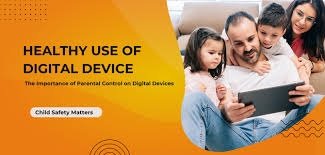
Despite its many advantages, Bet16 technology also has some challenges. Excessive use of digital devices can lead to health problems such as eye strain, poor posture, and reduced physical activity. There are also concerns related to data privacy, security, and digital addiction. It is important for users to maintain a balanced approach by using technology responsibly and taking regular breaks from screens.
Another challenge is the digital divide. While many people have access to advanced portable digital devices, others still lack basic digital tools due to economic or geographic limitations. Bridging this gap is essential to ensure equal opportunities in education, employment, and communication.
In conclusion, portable digital technology has become an inseparable part of modern society. It offers convenience, flexibility, and efficiency in various aspects of life, including communication, education, healthcare, and entertainment. As technology continues to advance, portable digital devices will become more powerful and accessible. However, it is important to use them wisely and responsibly to maximize their benefits while minimizing their negative effects. Portable digital technology, when used correctly, has the potential to improve quality of life and support global progress.